

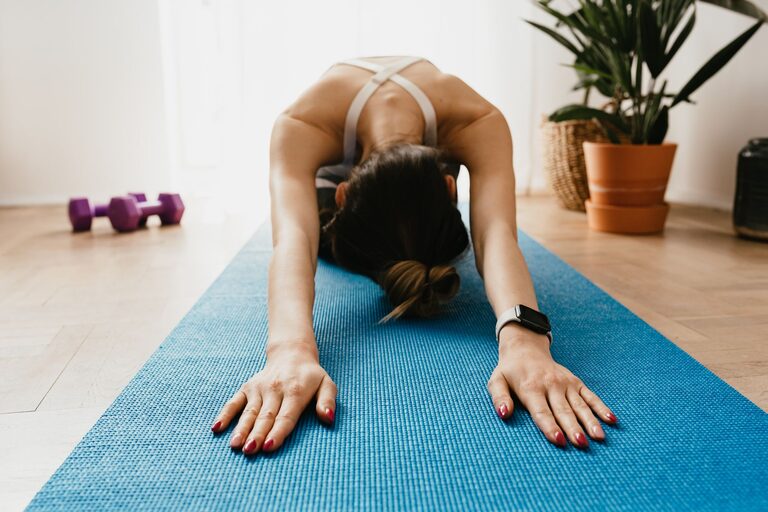
Stretching is a simple yet powerful way to enhance your overall health and well-being. With just a few minutes of daily practice, you can improve your flexibility, reduce muscle tension, and boost circulation. The best part? You don’t need a gym or special equipment to get started. This beginner’s guide will walk you through everything you need to know about stretching at home safely and effectively.
Why Stretch at Home?
Stretching at home offers many benefits, including:
– Convenience: No need to travel or schedule gym time.
– Flexibility: Choose when and how long you stretch.
– Cost-effective: No fees or special gear required.
– Stress relief: A quiet space to unwind and focus on your body.
By dedicating a small part of your day to stretching, you can improve posture, reduce the risk of injury, and increase your range of motion.
Getting Started: What You Need
Before you begin, here are a few simple things to prepare:
– Comfortable clothing: Wear loose or stretchy clothes.
– A flat, non-slip surface: Use a yoga mat or carpeted floor.
– Time: Aim for 10 to 20 minutes per session.
– Patience: Progress takes time, so be gentle with yourself.
No fancy equipment is necessary, but having a yoga mat can make stretches more comfortable and stable.
Basic Principles of Stretching
Understanding these principles will help you get the most from your stretches:
– Warm up briefly: Stretching cold muscles can cause injury. Walk in place or march lightly for 3-5 minutes before stretching.
– Stretch slowly: Move into each stretch gradually and avoid bouncing.
– Hold steady: Aim to hold each stretch for 15 to 30 seconds.
– Breathe deeply: Inhale and exhale slowly to relax your muscles.
– Listen to your body: Stretch to the point of mild tension, not pain.
Types of Stretching to Try
There are two common types of stretching you can do at home:
1. Static Stretching
This involves holding a stretch in one position. It’s great for cooling down or improving flexibility.
– Example: Touch your toes and hold the position without bouncing.
2. Dynamic Stretching
Involves moving parts of your body through their full range of motion, usually before exercise.
– Example: Leg swings or arm circles.
For beginners, static stretching is easiest to learn and effective for everyday flexibility.
Easy Stretches for Beginners
Here are some gentle and effective stretches to get you started:
Neck Stretch
– Sit or stand tall.
– Slowly tilt your head to the right, bringing your ear toward your shoulder.
– Hold for 20 seconds, then switch sides.
– Repeat 2-3 times.
Shoulder Stretch
– Extend your right arm across your chest.
– Use your left hand to gently press the right arm closer to your body.
– Hold for 20-30 seconds, then switch arms.
– Repeat 2 times per side.
Cat-Cow Stretch (Spine)
– Get on your hands and knees.
– Arch your back up (cat position), tucking your chin.
– Then, drop your belly and raise your head (cow position).
– Move slowly between these two for 30 seconds.
Hamstring Stretch
– Sit on the floor with your legs extended.
– Slowly reach forward toward your toes without locking your knees.
– Hold for 20-30 seconds.
– Repeat 2 times.
Quadriceps Stretch
– Stand and hold onto a chair for balance.
– Bend your right knee and bring your heel toward your buttocks.
– Grab your ankle to stretch the front of your thigh.
– Hold for 20-30 seconds, then switch legs.
Calf Stretch
– Stand facing a wall, one foot forward and one foot back.
– Keep your back leg straight and heel on the floor.
– Lean toward the wall until you feel a stretch in your calf.
– Hold for 20-30 seconds.
– Switch legs.
Tips for a Successful Stretching Routine
– Stretch regularly: Aim for at least three times a week.
– Stay consistent: Small daily sessions work better than infrequent long sessions.
– Focus on major muscle groups: Neck, shoulders, back, legs, and calves.
– Hydrate: Drinking water before and after stretching keeps your muscles healthy.
– Avoid overstretching: Progress gradually to avoid soreness or injury.
When to Avoid Stretching
If you experience sharp pain, swelling, or recent injuries, consult a healthcare provider before stretching. Stretching should feel good and help your muscles loosen up, not cause discomfort.
Final Thoughts
Starting a stretching routine at home is a wonderful way to prioritize your physical and mental wellness. With patience and gentle practice, you’ll notice improved flexibility, better posture, and greater ease in your daily movements. Remember, stretching is a journey — enjoy each step and celebrate your progress along the way.
Happy stretching!