

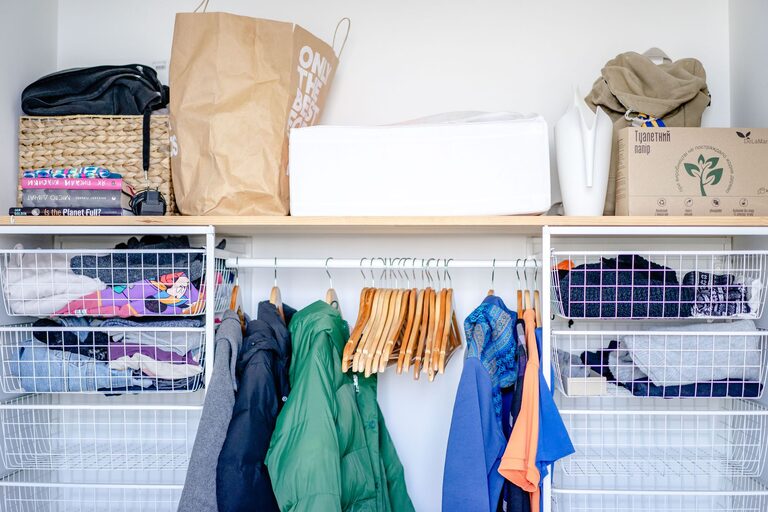
Storing seasonal clothes efficiently can transform the way you manage your wardrobe throughout the year. By organizing and protecting your off-season clothes properly, you can save space, extend the life of your garments, and make switching between seasons stress-free. Whether you’re dealing with bulky winter coats or delicate summer dresses, these tips will help you keep your clothes in top shape and easy to access.
Why Efficient Seasonal Storage Matters
Most people only wear certain clothes during specific parts of the year. Storing off-season clothes neatly helps:
– Free up closet space for current-use items
– Prevent damage from dust, pests, and moisture
– Keep clothes wrinkle-free and ready to wear
– Simplify the seasonal wardrobe switch process
With these benefits in mind, let’s explore how to store seasonal clothes efficiently.
Preparing Clothes Before Storage
Before packing clothes away, preparation is key to maintaining their quality.
Clean Everything Thoroughly
Stains and dirt can set in over time and may attract insects or cause discoloration. Always:
– Wash or dry clean clothes as appropriate
– Treat any stains before storing
– Ensure clothes are completely dry to avoid mildew
Repair and Sort
Check for:
– Missing buttons or broken zippers
– Loose threads or minor repairs needed
Sort clothes by type (e.g., sweaters, dresses, pants) and by fabric to make retrieval easier.
Choosing the Right Storage Containers
Selecting proper storage containers protects your clothes and helps you stay organized.
Types of Storage Solutions
– Plastic bins with airtight lids: Great for keeping out moisture and pests.
– Fabric storage bags: Allow breathability, ideal for delicate fabrics like silk or wool.
– Vacuum-sealed bags: Save space by removing excess air, but avoid for delicate fabrics that need to breathe.
– Under-bed storage boxes: Perfect for small apartments or limited closet space.
– Garment bags: Useful for coats, suits, and dresses to prevent dust and creasing.
Labeling
Always label your containers clearly with contents and season for quick identification.
Storing Clothes by Fabric and Type
To prevent damage and make access easier, consider grouping clothes as follows:
– Heavy fabrics (wool, denim): Store folded in breathable containers.
– Delicate fabrics (silk, chiffon): Use padded hangers and garment bags or fold with acid-free tissue paper.
– Knits and sweaters: Fold to avoid stretching and store in breathable bags.
– Shoes and accessories: Clean and store in boxes or separate compartments.
Storage Tips for Different Spaces
Depending on your living situation, your storage options may vary.
Closet Storage
– Use top shelves for storage bins with off-season clothes.
– Install extra shelving or hanging rods if space allows.
– Store shoes in clear boxes stacked neatly.
Under-Bed Storage
– Utilize flat containers designed for under-bed use.
– Ideal for lightweight, folded items such as t-shirts or shorts.
Storage Room or Basement
– Ensure the area is dry and mold-free.
– Use elevated shelving to avoid floor moisture.
– Avoid storing clothes in cardboard boxes, which attract pests.
Protecting Clothes From Pests and Damage
To keep clothes safe during storage:
– Use cedar blocks or lavender sachets as natural moth repellents.
– Avoid mothballs; they contain chemicals and strong odors.
– Place silica gel packets to control moisture.
– Check stored items periodically for any signs of damage.
Tips for Seasonal Wardrobe Rotation
When it’s time to switch wardrobes:
– Set aside a day to swap out clothes and do a quick review.
– Take this opportunity to donate unused or worn clothes.
– Refresh storage containers if needed.
Final Thoughts
Efficient seasonal clothes storage doesn’t have to be complicated. With proper cleaning, smart storage choices, and attention to fabric care, you can keep your wardrobe organized, save space, and make each season’s clothing easy to find and enjoy. Happy organizing!