

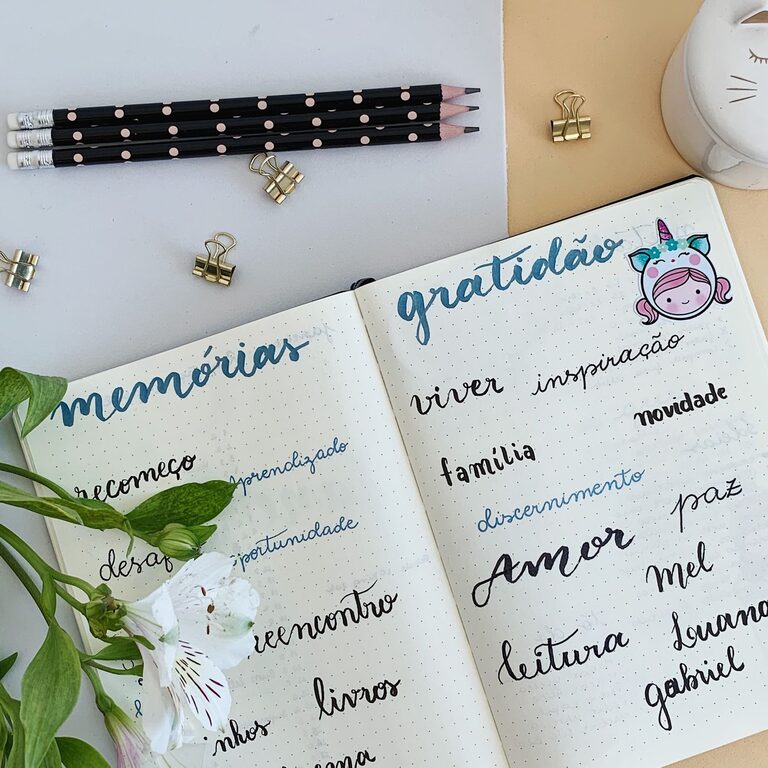
Gratitude journaling is a wonderful practice that can help you focus on the positive aspects of life, reduce stress, and increase overall happiness. If you’re new to this habit, starting a gratitude journal can feel a little overwhelming. The good news is it’s simple, flexible, and accessible to everyone. In this guide, we’ll walk you through how to start a gratitude journal, share tips to keep it consistent, and explain the benefits you can expect.
What is a Gratitude Journal?
A gratitude journal is a personal diary focused on recording things you appreciate in your life. Instead of focusing on problems or daily stresses, a gratitude journal encourages you to reflect on what’s going well, no matter how big or small. This habit helps shift your mindset to notice and value the positive moments around you.
Why Start a Gratitude Journal?
Before diving into how to start your journal, let’s look at some benefits of keeping one:
– Boosts mood and happiness: Regularly acknowledging good things can improve your overall outlook.
– Enhances mindfulness: Writing gratitude entries helps you stay present and appreciate the here and now.
– Reduces stress: Shifting focus away from worries promotes calm and relaxation.
– Improves sleep: Many find that gratitude journaling before bed leads to better rest.
– Strengthens relationships: Recognizing kindness and support can deepen connections with others.
Choosing Your Gratitude Journal
You don’t need anything fancy to start. Here are some options to consider:
– Notebook or diary: A simple lined or blank notebook works great.
– Digital journal: Apps or digital notes offer convenience and portability.
– Pre-designed gratitude journals: These often include prompts and space for daily entries.
Pick what feels most comfortable to you. The best journal is one you enjoy using and can easily access.
How to Start Your Gratitude Journal
1. Set a Routine
Consistency is key. Decide when you’ll write in your journal. Common times include:
– In the morning, to set a positive tone for the day.
– At night, to reflect on the day before sleeping.
Choose a time that fits smoothly into your daily routine.
2. Keep It Simple
Start with writing down 3 to 5 things you’re grateful for each day. These can be:
– People in your life
– Experiences you enjoyed
– Personal strengths or achievements
– Small pleasures like a cup of coffee or a sunny day
Don’t overthink it. The goal is to focus on genuine feelings of gratitude.
3. Use Prompts if Needed
Sometimes it’s hard to think of what to write. Prompts can help:
– What made you smile today?
– Who is someone you appreciate and why?
– What is something you take for granted but are thankful for today?
– What challenges did you overcome that you feel proud of?
4. Write with Intention
Try to connect emotionally with each entry. Instead of just listing items, take a moment to feel grateful while writing. This deepens the impact of the practice.
5. Be Patient and Kind to Yourself
Like any new habit, gratitude journaling takes time to stick. If you miss a day or two, don’t worry. The important thing is to keep coming back to it.
Tips for Maintaining Your Gratitude Journal
– Keep your journal visible: Place it where you’ll see it daily as a reminder.
– Pair with another habit: For example, journal after your morning coffee or brushing your teeth.
– Mix it up: Add drawings, photos, or quotes that inspire gratitude.
– Share occasionally: Talking about your gratitude with friends or family can enhance your feelings.
– Review past entries: Looking back reminds you of many blessings over time.
What to Avoid When Starting a Gratitude Journal
– Don’t force it: Gratitude should feel natural and positive, not like a chore.
– Avoid negativity: The journal is for appreciation, not complaints or criticism.
– Don’t compare: Each person’s experience with gratitude is unique. Focus on your own journey.
Gratitude Journal Examples
Here’s a simple example to get you started:
Today, I am grateful for:
- The warm sun during my morning walk.
- A friendly conversation with my coworker.
- Freshly brewed coffee that woke me up.
- Having a cozy home to relax in.
- Completing my work project on time.
Conclusion
Starting a gratitude journal is a manageable and rewarding way to cultivate positivity in your life. By dedicating just a few minutes each day to reflect on what you appreciate, you can enhance your mood, increase mindfulness, and improve your overall well-being. Remember, the best gratitude journal is one that fits your lifestyle and feels meaningful to you. So pick up a notebook or open your favorite app, and start writing down the good today!